
The journey home from work should mark the beginning of rest, yet many professionals find themselves unable to switch off. Emails continue to loop through the mind, tension settles in the shoulders, and the evening that was meant for recovery becomes another stretch of restless wakefulness. According to a survey conducted by the Mental Health Foundation, 74% of adults in the UK have felt so stressed they were overwhelmed or unable to cope at some point during the past year.
While no supplement can replace proper rest, healthy boundaries or professional support when needed, certain nutrients and plant extracts have been recognised for their role in supporting the body’s response to daily pressures. Understanding which actives genuinely contribute to relaxation, how they work, and how to choose them wisely can help transform the end of the working day from a period of lingering tension into a deliberate ritual of calm.
Which dietary supplements are essential to combat stress and relax after work?
Direct answer: The essential dietary supplements for stress relief and after-work relaxation include magnesium (which supports normal nervous system function), herbal extracts traditionally used for their calming properties such as ashwagandha, valerian or passionflower, and micronutrients like B vitamins that contribute to psychological balance. These actives work best when integrated into a consistent evening routine, rather than taken sporadically.
Magnesium stands out as a foundational mineral. The European Food Safety Authority has evaluated health claims relating to magnesium’s contribution to normal psychological function and the reduction of tiredness and fatigue. This mineral plays a documented role in the transmission of nerve signals and muscle relaxation, which is why it appears so frequently in formulations aimed at supporting calmness.
Herbal remedies represent another essential category. Certain plants have been used for centuries in traditional medicine systems to promote relaxation. Ashwagandha, an adaptogen, is recognised in Ayurvedic practice for supporting the body’s resilience to stress. Valerian and passionflower are commonly found in products intended to support natural sleep patterns and ease nervous tension. While the scientific evidence for these plants varies in strength, their longstanding use and inclusion in regulated products suggest a degree of recognised benefit.
Micronutrients, particularly B vitamins, also play a part in emotional equilibrium. B6, B9 (folate) and B12 contribute to normal psychological function and help reduce tiredness, according to authorised health claims. Omega-3 fatty acids, though more commonly associated with cardiovascular health, have also been studied for their potential role in mood regulation.
For those seeking a curated range of formulations designed to address these needs, stress relief food supplements from specialist brands combine these actives in dosages aligned with current nutritional science, offering a practical starting point for building an after-work relaxation routine.
How chronic stress affects sleep and wellbeing after work
Stress is not inherently harmful; it evolved as a survival mechanism. The NHS describes stress as the body’s reaction to mental or emotional pressure, triggering the release of hormones such as adrenaline and cortisol. These chemicals prepare the body for immediate action—increased heart rate, heightened alertness, diverted blood flow to muscles.
The difficulty arises when this response persists beyond working hours. In a modern professional context, the threats are rarely physical and rarely conclude at a set time. Unresolved tasks, upcoming deadlines, or difficult interactions linger in the mind, keeping cortisol levels elevated well into the evening. The body remains in a state of partial alert, the nervous system primed for action that never comes.

Sleep becomes the first casualty. A mind preoccupied with unfinished concerns resists the transition into rest. Even when sleep arrives, elevated cortisol can fragment it, leading to frequent waking or early-morning alertness. Poor sleep, in turn, reduces resilience to the next day’s pressures, creating a self-reinforcing cycle: stress disrupts sleep, inadequate sleep heightens stress.
The physical manifestations extend beyond tiredness. Prolonged tension affects digestion, immune function, and the ability to recover from physical exertion. Mood becomes more fragile; small irritations feel disproportionately significant. The capacity to engage meaningfully with family, hobbies, or simple rest diminishes.
This is the context in which natural support becomes appealing. Many people prefer to explore options that do not involve prescription medication, particularly when the stressor is situational rather than pathological. Dietary supplements, when chosen carefully, can form one part of a broader strategy to restore balance—not as a cure, but as a support alongside habit changes, boundary-setting, and intentional rest.
Building a simple after-work relaxation routine with natural supplements
A supplement taken inconsistently offers limited benefit. The compounds that support nervous system function—whether minerals, vitamins, or plant extracts—often require regular intake to maintain stable levels in the body. This makes the establishment of a routine more important than the choice of any single product.
The transition from work to rest should be marked by deliberate actions, however small. Setting a consistent time to take a supplement anchors this transition. For many, this moment works best shortly after arriving home: changing clothes, preparing a simple evening drink, and taking the day’s dose of magnesium or herbal extract. This sequence signals to both mind and body that the working day has ended.
Essential elements of an effective after-work wind-down
- Take your chosen supplement at the same time each evening to build a consistent habit
- Pair supplementation with a calming activity: herbal tea, ten minutes without screens, or gentle stretching
- Keep supplements visible and accessible—a small organiser on the kitchen counter or bedside table removes the friction of retrieval
- Choose formats that fit your routine: capsules for convenience, powders if you prefer them dissolved in a warm drink
- Adjust timing based on the active—magnesium can be taken with dinner; valerian or passionflower are often better suited to the hour before bed
The format of the supplement matters less than the ease with which it integrates into daily life. Capsules require no preparation and travel well. Powders or liquid extracts can be added to warm water or herbal tea, creating a moment of ritual. Some find the act of preparing a drink inherently calming; others prefer the efficiency of swallowing a capsule and moving on.
Supplementation works best when it accompanies, rather than replaces, other relaxation practices. Reducing screen exposure in the final hour before bed, spending a few minutes outdoors, or engaging in light physical movement all enhance the body’s natural shift towards rest. The supplements support the conditions for relaxation; they do not create it in isolation.
Regularity matters more than intensity. A modest dose taken every evening will yield more benefit than a high dose taken sporadically. The body’s stores of certain nutrients, particularly magnesium and B vitamins, deplete under sustained stress, and replenishment happens gradually, not overnight.
What should you look for when choosing a quality stress relief supplement?
The market for stress-related supplements is vast and inconsistently regulated. Not all products deliver the actives they claim, and not all formulations are designed with evidence-based dosages. Learning to evaluate a product before purchase protects both budget and expectation.
The ingredient panel should list specific compounds with stated quantities, not vague proprietary blends. For magnesium, the form matters: magnesium glycinate and magnesium citrate are generally well-absorbed and gentle on digestion, whereas magnesium oxide, though cheaper, is poorly absorbed and more likely to cause gastric discomfort. A quality product will specify the form and provide the elemental magnesium content, not just the weight of the compound.
For herbal extracts, standardisation is key. A passionflower or ashwagandha extract should indicate the concentration of active constituents—either as a ratio (such as 10:1, meaning ten parts plant to one part extract) or as a percentage of specific marker compounds. Without this information, the potency of the product is unknowable.
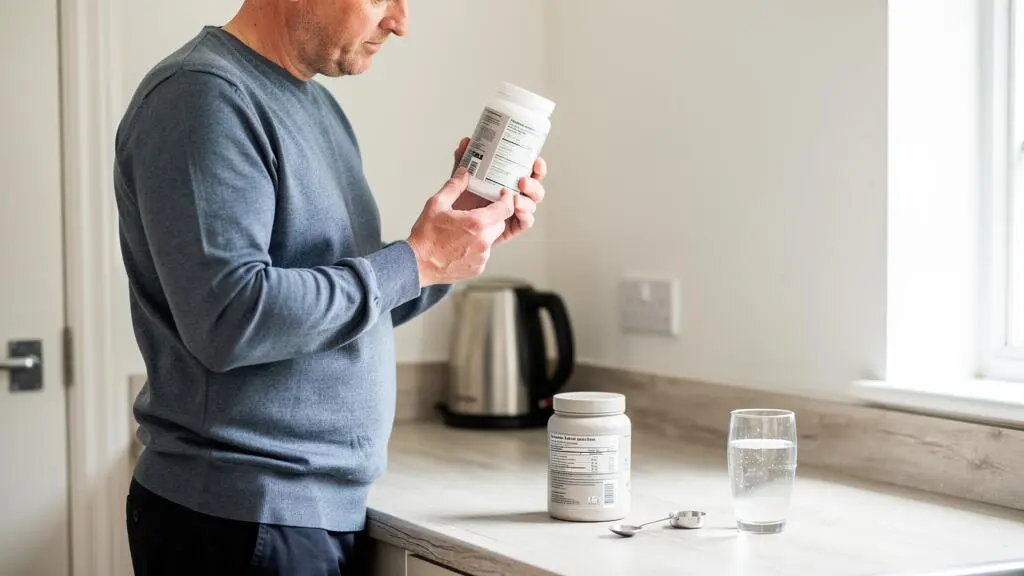
Third-party testing, where available, offers additional reassurance. Some manufacturers submit their products to independent laboratories for verification of purity, potency, and absence of contaminants. Certifications from bodies such as Informed-Sport or similar schemes indicate a level of quality control beyond the minimum legal requirement.
Brands that specialise in phytotherapy and micronutrition often demonstrate greater formulation expertise than general wellness companies. Names such as Pileje, Les 3 Chênes, 3C Pharma, Tilman, and Cooper, as communicated by specialist retailers, have built reputations around targeted nutritional support. These brands typically provide detailed technical information about their formulations and source their ingredients with transparency.
Price should be considered in the context of daily cost rather than total pack price. A seemingly expensive bottle may contain a three-month supply at an effective dose, while a cheaper product might require double the recommended intake to achieve similar results, or last only a few weeks. Dividing the total cost by the number of servings provides a fairer comparison.
Reading a supplement label effectively: Check first for the list of active ingredients and their individual quantities. Look for the form of each ingredient (e.g. magnesium glycinate, not just “magnesium”). Confirm the serving size and servings per container. Verify whether additional nutrients are included at meaningful levels, or are simply present in trace amounts for marketing purposes. Avoid products that hide ingredient quantities behind “proprietary blend” terminology.
When supplements are not enough: limits and precautions
Dietary supplements occupy a specific and limited role. They are designed to complement a balanced diet and healthy lifestyle, not to replace either. More importantly, they are not medicines, and cannot treat clinical conditions.
Stress exists on a spectrum. The everyday pressures of a demanding job, when managed within normal coping capacity, may respond well to improved nutrition, better sleep hygiene, and targeted supplementation. But when stress becomes unmanageable—when it persistently disrupts sleep, affects appetite, erodes concentration, or leads to feelings of hopelessness—supplements alone are insufficient.
The NHS recommends seeking support from a GP or contacting NHS 111 if stress is affecting daily life, relationships, or physical health. Certain warning signs warrant professional attention: prolonged low mood, loss of interest in previously enjoyed activities, significant changes in weight or sleep patterns, persistent physical symptoms without clear cause, or thoughts of self-harm.
When stress crosses into anxiety or depression, evidence-based interventions become necessary. Talking therapies, including cognitive behavioural approaches, have a strong evidence base for treating these conditions. For readers experiencing symptoms that go beyond ordinary stress, understanding talk therapy as a treatment may offer more appropriate pathways to recovery than any nutritional intervention.
Important safety information: Always inform your GP or pharmacist if you are taking supplements, particularly if you are also taking prescribed medication. Some herbal extracts can interact with medications for blood pressure, diabetes, or mood disorders. Magnesium in high doses can cause digestive upset and should be used with caution by those with kidney conditions. Pregnant or breastfeeding women should seek professional advice before taking any supplements. If symptoms worsen or new symptoms develop, discontinue use and consult a healthcare professional.
Supplements should be understood as one tool among several, not a substitute for addressing the root causes of stress. If the source of pressure is an unsustainable workload, no amount of magnesium will resolve it. If poor sleep is caused by an untreated sleep disorder, valerian will not correct the underlying issue. Honest self-assessment, and willingness to seek appropriate help, remain the foundations of genuine recovery.
Used appropriately—as part of a broader commitment to rest, boundaries, and self-care—natural supplements can support the body’s capacity to manage daily demands. But they cannot, and should not, be asked to bear the full weight of wellbeing alone.
How long does it take for stress relief supplements to work?
Which form of magnesium is best for stress and relaxation?
Can I take stress supplements while working full time?
Are herbal stress supplements safe to take every evening?
What natural alternatives to medication help with stress after work?
The pressures of modern professional life are unlikely to diminish, but the body’s capacity to meet them can be strengthened. Choosing the right dietary supplements—those backed by recognised science, formulated with care, and taken as part of a considered routine—offers a practical and accessible starting point for reclaiming the evening as a time of genuine rest. Understanding what to look for, how to use these products responsibly, and when to seek further support transforms supplementation from a hopeful guess into an informed decision.