
The main advantage of a walk-in surgical centre isn’t just speed; it’s the highly predictable outcome derived from a specialised operational system.
- This system creates efficiency by focusing on a narrow range of procedures and relies on rigorous patient pre-selection to ensure safety.
- Your recovery’s success depends on a ‘discharge partnership’ with a responsible adult who becomes a temporary, essential part of your care team.
Recommendation: Evaluate if you and your support network can meet the strict post-operative requirements before choosing a day-case centre, as the model’s efficiency depends on it.
For any patient facing a surgical procedure, the choice often feels like a trade-off. On one hand, there’s the familiar, comprehensive environment of a traditional hospital, often accompanied by long NHS waiting lists. On the other, the promise of a private walk-in or day surgery centre: a faster, more comfortable experience where you can be home the same day. The common wisdom suggests these centres are simply more pleasant and efficient. But as someone managing the operational flow of such a facility, I can tell you the reality is more nuanced and far more structured.
The perceived benefits aren’t magic; they are the direct result of a highly specialised and rigid operational model. Understanding this system is the key to determining if a day surgery centre is truly the better option for you. It’s not just about the comfort of your own bed; it’s about understanding the responsibilities that are transferred to you and your support network once you walk out the door. The real difference lies not in the luxury, but in the logistics.
This article will pull back the curtain on that operational model. We will explore why some procedures are ideal for this setting while others are not, what is truly required of your escort, the financial realities versus the NHS, and what happens when things don’t go as planned. By understanding the “why” behind the efficiency, you can make an informed decision that aligns with your health, your support system, and your expectations.
To navigate this complex decision, it’s helpful to break down the key operational aspects that define the day surgery experience. The following sections explore each critical component, from patient selection to post-operative care.
Summary: The True Picture of Day Surgery Centres
- Why Some Surgeries Can Be Done as Day Cases But Not Others?
- Who Can Drive You Home If You’re Sedated During Your Procedure?
- Private Day Surgery vs NHS Inpatient: Is £3000 Worth the Comfort?
- The Pain Control Failure That Sends Day-Case Patients Back to A&E
- When Can You Safely Work on a Computer After a Day-Case Procedure?
- How to Find an Urgent Treatment Centre Open Right Now?
- How Private Care Reduces Waiting Lists from 18 Months to 2 Weeks
- How to Reduce Your Waiting Time at A&E Without Jumping the Queue?
Why Some Surgeries Can Be Done as Day Cases But Not Others?
The core principle of a day surgery centre is operational predictability. Unlike a general hospital that must be prepared for any emergency, our environment is designed for a narrow, predictable range of procedures. This specialisation is why around 70% of all surgery performed in the UK can now be done on a day-case basis. The decision isn’t based solely on the surgery’s complexity, but on a strict patient selection protocol.
We assess two main factors: the procedure and the patient. The procedure must have a low risk of immediate, serious complications like major bleeding. More importantly, we meticulously evaluate the patient’s overall health using systems like the American Society of Anesthesiologists (ASA) grade. While we primarily treat healthier patients (ASA I and II), it’s not a blanket rule. A crucial part of our model is the pre-assessment clinic, where nurses and anaesthetists determine if a patient’s existing conditions, like stable diabetes or controlled high blood pressure (often ASA III), can be safely managed in an outpatient setting.
This careful screening is our primary safety mechanism. In fact, research shows that with proper preparation, even some more complex patients can be safely treated. An in-depth UK study found that ASA grade alone cannot predict unplanned admission after day surgery, highlighting that a holistic patient assessment is more important than a single health metric. This focus on a well-defined patient group in a controlled environment is what eliminates the unforeseen delays common in a hospital, creating the efficiency we’re known for.
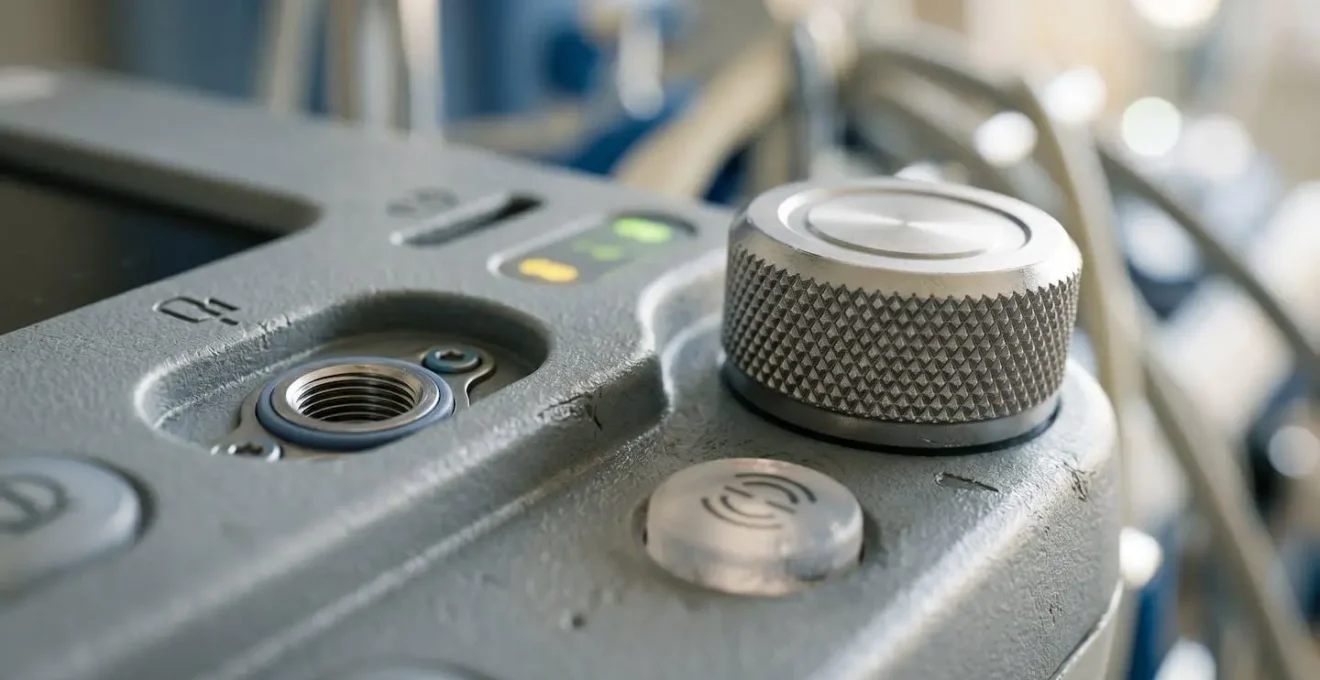
Even for straightforward procedures, the post-anaesthesia monitoring is rigorous. The equipment and protocols are designed to ensure you are stable and ready for discharge, but this phase is time-limited. The system is built on the premise that once you meet the discharge criteria, the next phase of recovery monitoring is transferred to your support person at home.
Who Can Drive You Home If You’re Sedated During Your Procedure?
This question is one of the most critical logistical hurdles for patients, and from an operational standpoint, it’s a non-negotiable safety requirement. The person who takes you home is not just a driver; they are your designated monitor and a key part of our discharge partnership. After receiving general or regional anaesthesia, your judgment, coordination, and reaction times are impaired for at least 24 hours, even if you feel perfectly alert.
Your escort must be a responsible adult capable of understanding and relaying discharge instructions. They need to be physically present to hear the nurse’s briefing on medication schedules, warning signs to watch for, and who to contact if a problem arises. This transfer of information is a formal part of our discharge process. A taxi or ride-share driver cannot fulfil this role because they are not invested in your wellbeing and cannot be tasked with receiving medical instructions. As the Association of Anaesthetists clearly states in its guidelines, the presence of a responsible adult escort is essential.
It is essential that, following procedures under general or regional anaesthesia, a responsible adult should escort the patient home; however, it may not always be essential for a carer to remain for the full 24-h period.
– Association of Anaesthetists, Guidelines for day-case surgery 2019
Failure to arrange a suitable escort is one of the few reasons we would have to cancel a procedure on the day. It’s a cornerstone of the safety model that allows for surgery outside a hospital setting. We are effectively handing over the first-line of post-operative monitoring to this individual.
Your Post-Anaesthesia Discharge Checklist: Key Responsibilities
- Arrange for a responsible adult to escort you home; this is mandatory following general or regional anaesthesia.
- Ensure your escort is available to receive discharge instructions directly from the nursing staff and ask any clarifying questions.
- Confirm you will not drive, operate machinery, drink alcohol, or make legal decisions for at least 24 hours post-procedure.
- Check that your escort understands the post-operative care plan and the specific warning signs to watch for.
- If you live alone or lack local support, you must contact the surgical centre before booking to discuss specialised companion or transport options.
Private Day Surgery vs NHS Inpatient: Is £3000 Worth the Comfort?
When patients consider private day surgery, a primary motivator is escaping long NHS waiting lists. The financial question—is it worth it?—depends on the value you place on time and predictability. The NHS is an incredible service, but it’s currently under immense pressure. The target for elective procedures is for 92% of patients to wait less than 18 weeks, but recent data shows that in reality, only 62% of patients are meeting this target. For many, the wait can stretch to many months, impacting quality of life and ability to work.
Private day surgery centres operate on a different model. Because we handle a high volume of specific, pre-scheduled procedures with pre-screened patients, we avoid the systemic bottlenecks of the hospital system. There are no emergency admissions bumping your scheduled slot. This operational focus is what allows for drastically shorter wait times. The cost of a procedure, such as a hernia repair starting from around £3,295, is not just for the surgery itself. It’s for the speed of access and the certainty of the date.
The table below provides a clear comparison of typical wait times and costs. It illustrates the stark contrast between the two pathways for common elective procedures. This isn’t a judgment on the quality of care—which is excellent in both sectors—but a reflection of two fundamentally different operational and funding systems.
| Procedure Type | NHS Average Wait | Private Cost Range | Private Wait Time |
|---|---|---|---|
| Hip Replacement | 24-28 weeks | £12,000-£18,000 | 4-6 weeks |
| Knee Replacement | 28-29 weeks | £13,000-£15,000 | 4-6 weeks |
| Cataract Surgery | 18-20 weeks | £2,500-£4,000 per eye | 2-4 weeks |
| Hernia Repair | 15-18 weeks | From £3,295 | 2-4 weeks |
| Gallbladder Removal | 16-20 weeks | £4,500-£7,000 | 2-4 weeks |
Ultimately, the £3000+ investment is a purchase of time and predictability. For someone whose livelihood or daily comfort is severely compromised by their condition, bypassing a year-long wait can be a very rational economic and personal decision.
The Pain Control Failure That Sends Day-Case Patients Back to A&E
One of the biggest anxieties for patients undergoing day surgery is post-operative pain. From an operational perspective, a breakdown in pain management at home is the most common reason for an unplanned and stressful trip to A&E. This situation represents an efficiency-comfort trade-off. Our streamlined model gets you home quickly, but it means you are responsible for managing the initial, and often most intense, phase of pain.
The failure point usually isn’t the medication itself, but a mismatch in expectations and communication. At the centre, we use a combination of local anaesthetic blocks and initial strong pain relief to ensure you are comfortable at discharge. However, these will wear off. We provide a clear schedule for taking painkillers at home, often advising patients to start taking them *before* the pain becomes severe. The most common mistake is waiting too long, allowing the pain to become overwhelming and difficult to control with the prescribed oral medication.
This is where your discharge partner is again crucial. They can help you stick to the medication schedule, especially when you are drowsy from the anaesthesia. It’s vital to understand that moderate pain is a normal part of healing. Our goal is not to eliminate all sensation, but to keep the pain at a manageable level (typically 3-4 on a scale of 10). If pain becomes severe, uncontrolled by the prescribed regimen, or is accompanied by other worrying symptoms like a high fever or excessive swelling, that is the trigger to seek urgent medical advice—starting with the 24-hour number provided by the surgical centre.

Managing pain at home is an active process. It requires you to be proactive, follow the schedule diligently, and understand the difference between expected discomfort and a sign of a complication. A successful recovery hinges on this understanding.
When Can You Safely Work on a Computer After a Day-Case Procedure?
In our connected world, “when can I get back to work?” often means “when can I safely use a computer?”. The answer depends more on the anaesthesia you received than the surgery itself. After any form of sedation or general anaesthesia, there is a mandatory period of cognitive downtime. The core advice from medical bodies is consistent: for at least the first 24 hours, you must avoid any activity that requires unimpaired judgment.
As MedlinePlus, a reputable source from the U.S. National Library of Medicine, states, you should ” avoid driving, operating machinery, drinking alcohol, and making legal decisions for at least 24 hours.” Working on a computer, especially if it involves important communications, financial transactions, or complex problem-solving, falls squarely into this category. Even if you feel clear-headed, subtle cognitive impairment persists. Sending a confusing email to a client or making a poor decision can have real consequences.
After the initial 24-hour period, the return to computer work should be gradual. You might still experience mild drowsiness or headaches. It’s wise to start with low-stakes tasks and gauge how you feel. The physical nature of your surgery also plays a role. If you’ve had hand or eye surgery, for example, your return to a keyboard and screen will be dictated by physical healing and specific instructions from your surgeon, which may extend well beyond the 24-hour cognitive recovery window.
Here is a general timeline to consider for cognitive recovery:
- First 24 hours: A strict no-go zone for any work. Your primary job is to rest and recover.
- Days 1-2: Be mindful of potential drowsiness and impaired judgment. Defer important work and communications.
- Day 3+: Gradually return to computer-based tasks, starting with those that are less critical. Listen to your body.
- Procedure-specific limitations: Always follow the guidance related to your specific surgery (e.g., restrictions on arm movement after carpal tunnel surgery) over general advice.
- Red flags: If you experience persistent confusion or memory issues beyond 48 hours, it’s essential to contact your surgical team.
How to Find an Urgent Treatment Centre Open Right Now?
When a post-surgical issue arises at home, the immediate instinct might be to find the nearest Urgent Treatment Centre (UTC) or head straight to A&E. However, this is often not the most efficient or appropriate first step. As part of our discharge protocol, every patient receives a 24-hour contact number for the surgical centre. This should always be your first call.
Why? Because the team at the centre knows you. They have your records, they understand the specifics of your procedure, and they know the common, expected side effects. A nurse or on-call surgeon can often assess your situation over the phone, provide reassurance, adjust your pain management plan, or advise you on the correct course of action. This can save you a long and unnecessary wait in an emergency department. Our model is designed to provide this continuity of care in the immediate post-operative period.
A UTC is typically equipped for minor injuries and illnesses—sprains, minor cuts, infections—but may not have the specialists or equipment to deal with a specific surgical complication. A&E is for genuine emergencies. Your decision on where to go should be guided by your symptoms. Having a clear plan *before* you need it is the best strategy.
Here is a simple decision tree for handling post-operative problems:
- First Contact (Always): Call your surgical centre’s 24-hour number first. They are your primary resource and can manage most issues remotely.
- Emergency Symptoms (Go to A&E Immediately): This includes uncontrolled bleeding, severe shortness of breath or chest pain, sudden severe swelling, or signs of a severe allergic reaction (like difficulty breathing).
- Moderate Concerns (Call Surgeon’s Line): Worsening pain not controlled by medication, increasing redness or warmth around the incision, or a mild fever (under 38.5°C).
- Unrelated Minor Illness (UTC May Be an Option): If you develop a new problem clearly unrelated to your surgery, like a twisted ankle or a sore throat, a UTC might be appropriate.
Before your surgery, save the surgical centre’s 24/7 contact number, your surgeon’s office line, and your insurance’s nurse helpline in your phone. Preparation is the key to a calm and effective response.
How Private Care Reduces Waiting Lists from 18 Months to 2 Weeks
The dramatic reduction in waiting times offered by private surgical centres isn’t due to a secret technique, but to a relentless focus on operational efficiency. A hospital-based NHS service is a complex ecosystem that must handle everything from routine appointments to major trauma. This creates unavoidable scheduling conflicts and resource competition. In contrast, a private day surgery centre is a highly specialised production line for healthcare.
Our model is built on several key efficiencies. Firstly, we focus on a limited number of high-volume, low-complexity procedures. This allows for dedicated operating rooms, specialised equipment that is always on hand, and clinical teams who perform the same procedures repeatedly, making them incredibly proficient. There are no competing emergencies to disrupt the schedule. This is why many private providers can offer an average wait of just 4-6 weeks from consultation to treatment.
Secondly, the rigorous pre-screening of patients ensures that everyone who arrives for surgery is fit and ready. This minimises on-the-day cancellations. A comprehensive study on NHS-funded procedures in England found that private providers had wait times half those of NHS facilities, precisely because of this focused, factory-like efficiency. However, the study also noted this specialisation can lead to growing inequality, as the private sector can effectively “cherry-pick” the most straightforward cases, leaving more complex patients to the NHS system.
Case Study: The Efficiency of Specialisation
A major UK study analysing hip and knee replacements between 1997-2019 provided clear evidence for the private sector’s speed. It revealed that private providers’ efficiency stems directly from their specialised focus on specific procedures, dedicated operating theatres, and pre-screened, fitter patients. This allows for a more predictable and faster patient journey compared to the broader, more complex demands placed on NHS hospitals. While this model demonstrably cuts wait times, the research also highlighted that its expansion could increase systemic inequalities in healthcare access.

This streamlined environment is designed for one purpose: to move a specific type of patient through a specific procedure as safely and efficiently as possible. When you pay for private care, you are paying for this optimised, predictable process, which stands in stark contrast to the necessarily more chaotic and all-encompassing public hospital system.
Key Takeaways
- The efficiency of a day surgery centre is built on a rigid operational model of patient pre-selection and procedure specialisation.
- Your “escort” is not just a driver; they are a temporary caregiver responsible for monitoring you and understanding medical instructions.
- Post-operative pain management at home is your responsibility; proactive medication is key to avoiding an A&E visit.
How to Reduce Your Waiting Time at A&E Without Jumping the Queue?
Despite the best planning, a small percentage of day surgery patients end up needing to visit A&E for a complication. If this happens, your experience there can be made significantly smoother and more efficient by being prepared. You can’t “jump the queue”—A&E operates strictly on clinical urgency—but you can provide the triage nurse with the precise information they need to assess you quickly and accurately.
The key is to arrive as an organised patient. Triage staff are dealing with a huge range of conditions and may not be familiar with the specifics of your recent surgery. Your job is to bridge that information gap. Instead of a vague “I’m in pain after an operation,” you need to be specific. The more organised your information, the faster the clinical team can understand your situation and consult with the right specialists, which may even include your original surgical team.
Think of it as preparing a handover brief for the A&E team. This simple preparation can significantly reduce the time spent in assessment and diagnosis. Remember, if you are kept waiting in A&E, it’s generally a reassuring sign. It means the triage nurse has assessed you and determined that you are stable and not in immediate life-threatening danger. While frustrating, it’s an indicator that the system is working as intended, prioritising the most critically ill patients first.
Your Action Plan for an A&E Visit After Surgery
- Bring all surgical discharge paperwork: This includes procedure details, prescribed medications, and specific discharge instructions.
- Prepare a one-sentence summary: Practice saying, “I had [specific procedure name] on [date] at [surgical centre name] and now I have [specific symptom].”
- List all current medications: Include both your regular medications and everything prescribed post-surgery, noting the time you last took a dose of pain relief.
- Have your surgical centre’s contact info ready: The A&E team may want to speak directly with your surgeon or their on-call team.
- Understand triage priority: A&E prioritises clinical urgency, not arrival time. Being prepared helps ensure your urgency is assessed accurately.
This preparation turns a potentially chaotic experience into a more controlled process, where you are an active partner in your care.
Choosing a day surgery centre is a decision that puts you at the centre of a highly efficient but demanding operational model. Success is a partnership. To ensure the best outcome, the next logical step is to have a frank discussion with your prospective surgical centre and your designated escort about these operational requirements and responsibilities.