
The extensive scope of the medical universe
An overview of essential healthcare sectors


Patient-centered holistic care models
Prioritizing personalized treatment and recovery

Evidence-based clinical methods
Merging clinical trials with daily practice

Integration of innovative medical technology
Improving AI-driven diagnostics and robotic surgery

The framework of contemporary medical practices
Effective medical practice relies on accredited clinical guidelines and regulatory safety protocols. It involves structured patient assessment, differential diagnosis, care pathways, and rehabilitation. The objective is delivering consistent interventions while maintaining clinical governance standards. This includes strict adherence to aseptic techniques, specifically the autoclave sterilization of instruments and protective gear usage to minimize biohazards for patients and medical staff.
Strategic practice management is vital for integrated care delivery. This encompasses automated scheduling, interoperable electronic health records management, and secure messaging between staff and patients. A compliant organization ensures resources are used optimally, triage times are minimized, and sensitive data remains encrypted and secure. Administrative workflows support clinical activities, allowing specialists to focus on therapeutic outcomes.
The scope of services ranges from primary and preventive care to complex tertiary treatments. Family medicine often serves as the gatekeeper, addressing acute health concerns and coordinating referrals to consultants when necessary. Specialized fields, such as cardiology or orthopedics, focus on specific pathologies requiring advanced training and technology, ensuring patients receive targeted and expert care for their unique medical issues.

Preventive healthcare measures
This area focuses on health promotion through routine physicals, vaccination programs, and early-stage genetic screening to prevent chronic conditions from manifesting.

Therapeutic treatments
Curative procedures aim to treat pathology and restore function to vital organs. This includes protocols for infections, fractures, or trauma, utilizing pharmaceuticals and rehabilitative therapies.

Specialized clinical procedures
Certain complex conditions require tertiary interventions, such as neurosurgery for trauma or the placement of prosthetics, performed by surgeons with fellowship training.
Essential healthcare disciplines
The role of public health and prevention
The principles of public health in a clinical context
Global health initiatives extend beyond individual care to address the vitality of the entire population. These programs focus on epidemiology, promoting awareness about immunization compliance, balanced nutrition, and mental wellness. By empowering communities with knowledge, these efforts aim to reduce the incidence of infectious diseases and foster preventive lifestyle choices across the demographic.
Key strategies in community health promotion
Community-focused strategies include the implementation of vaccination drives and chronic disease management in vulnerable populations. These interventions are designed to provide herd immunity on a large scale. Biometric screenings conducted in public settings, such as schools, help identify at-risk individuals and facilitate equitable access to necessary treatments, bridging gaps in healthcare disparity.
Disease surveillance and its functional importance
Bio-statistical studies and big data are vital for monitoring outbreaks and identifying pandemic risks. This surveillance allows agencies to track morbidity prevalence, evaluate the efficacy of mitigation programs, and allocate resources where needed. The data gathered informs health policy and helps in planning tactical interventions to address specific sanitary challenges.
The influence of evolving medical technologies
Technological advancements have fundamentally reshaped biomedical diagnostics and treatments. The integration of AI algorithms has led to greater precision, workflow efficiency, and improved outcomes. From initial sequencing to the execution of robotic procedures, technology supports clinicians in delivering precision medicine by providing genomic data and enabling minimally invasive techniques.
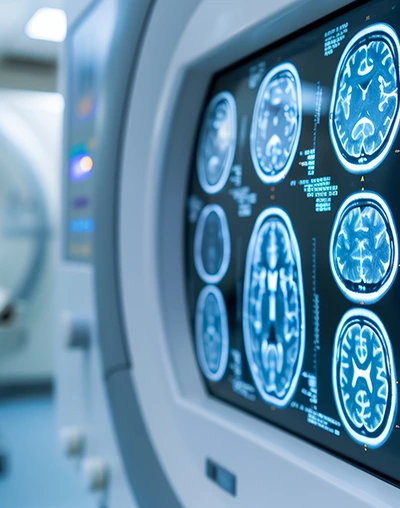
Digital diagnostic imaging
Includes high-resolution radiography and MRI scanning
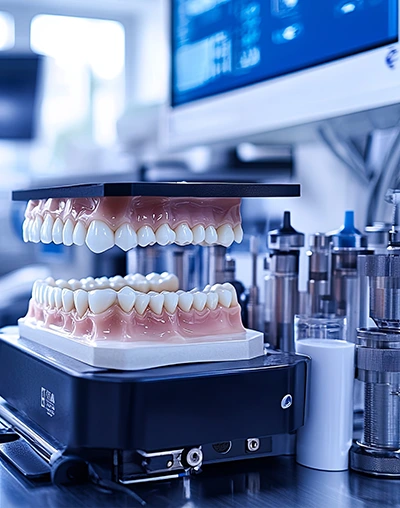
3D Bioprinting innovations
Printing systems for creating custom prosthetics

Advanced sterilization systems
The progression of medical careers
The medical field requires board certification, residency training, and lifelong learning to keep pace with biotech advancements.
- Fellowship training programs
- Board certification exams
- Clinical research participation
The architecture of modern health systems
Health systems provide the infrastructure for delivering care, encompassing ambulatory centers to tertiary hospitals. Their design focuses on ensuring patient access to a continuum of care, from initial triage to acute treatments and rehabilitation. An effective system relies on a clear referral pathway, allowing patients to move seamlessly between tiers. The reimbursement of these systems, whether through state funding or private insurance, determines service availability.