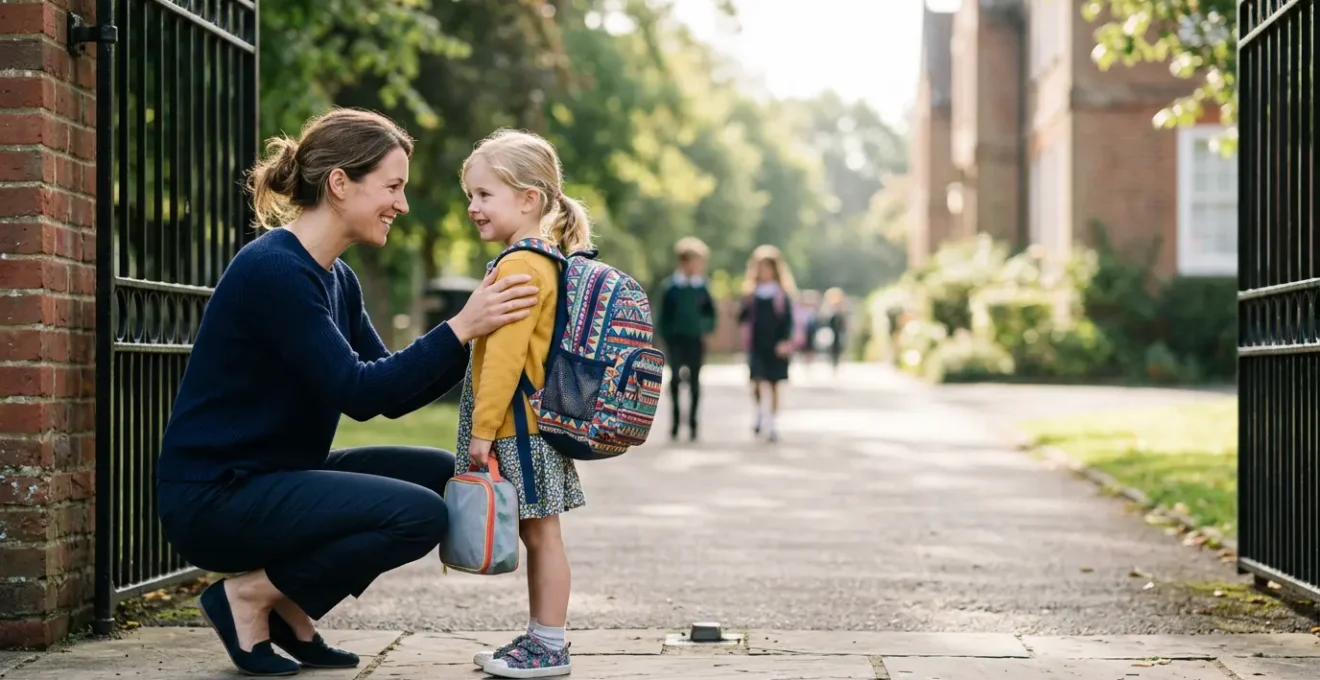
Contrary to the belief that vaccination is a purely personal choice, the childhood vaccine schedule is a meticulously designed system where timing is everything, forming a biological social contract that protects the entire community.
- Following the schedule protects not just your child, but also the unseen vulnerable, like children with cancer.
- Misinformation from “wellness gurus” directly leads to preventable hospitalisations and deaths from diseases like the flu.
Recommendation: Trust the established science and your pediatrician’s guidance over online trends. Adhering to the schedule is the most powerful action you can take for both individual and public health.
As a parent, you’re juggling a thousand things, and that school entry form requiring proof of vaccination can feel like just another piece of paperwork. You see the list—MMR, DTaP, Polio—and your goal is to get it signed. But in the background, a storm of conflicting information rages online. So-called “wellness gurus” and viral social media posts whisper doubts, suggesting alternative schedules, “natural” immunity, or questioning the need for every shot. It’s a confusing and anxious space for any parent who wants the best for their child.
The standard advice is to “talk to your doctor,” which is absolutely essential. However, this often doesn’t address the deep-seated “why.” Why this vaccine at this specific age? Why is a 95% vaccination rate not always enough? But what if the key isn’t just to view vaccination as a personal health decision, but as a biological social contract? This perspective shifts the focus from a simple checklist to understanding how your family’s participation in a carefully timed schedule creates an invisible shield of protection that extends far beyond your own home, protecting those who cannot protect themselves.
This guide, written from the perspective of a public health pediatrician, will dismantle the myths and explain the science behind the schedule. We will explore why an unvaccinated child poses a risk to cancer patients, how to reconstruct lost records, and why the timing of certain vaccines is non-negotiable. We’ll cut through the noise to show you why following the evidence-based schedule is a crucial act of community care.
To navigate this crucial topic, we will explore the science and logistics behind the vaccination schedule, addressing the most pressing questions and concerns parents face today. This structured approach will provide clear, evidence-based answers to help you make confident decisions for your child’s health and the well-being of the community.
Summary: A Parent’s Guide to the Science Behind the Vaccine Schedule
- Why Your Unvaccinated Child Puts Leukaemia Patients at Risk?
- How to Find Your Old Vaccination Records If You Lost the Red Book?
- Nasal Spray vs Injection: Which Flu Vaccine Is More Effective for Kids?
- The Timing Mistake That Leaves Babies Unprotected Against Whooping Cough
- When to Book Travel Jabs Before a Holiday to Ensure Immunity?
- Why Following “Wellness Guru” Advice Could Hospitalise You This Winter?
- Incentive Programs vs Mandatory Vaccination: Which Actually Works?
- Why Even 95% Vaccination Leaves Vulnerable Communities at Risk
Why Your Unvaccinated Child Puts Leukaemia Patients at Risk?
The decision to vaccinate doesn’t happen in a vacuum; it directly impacts the most fragile members of our community. This includes children undergoing chemotherapy for leukaemia, whose immune systems are intentionally suppressed to fight their cancer. For them, a common childhood illness like measles isn’t just a rash and fever—it can be a life-threatening event. They depend entirely on the immunity of those around them for protection, a concept known as herd immunity. This communal shield is only effective when a very high percentage of the population is vaccinated.
For a highly contagious disease like measles, the World Health Organization confirms that 95% vaccination coverage is required to prevent outbreaks. When vaccination rates dip below this threshold, even by a few percentage points, the virus can find a path to circulate. An unvaccinated child can unknowingly carry and transmit the virus to a classmate with a compromised immune system. This isn’t a hypothetical scenario; with an estimated 2.6% of US children being immunocompromised, the risk is present in nearly every school and playground.
This is the core of the biological social contract: your child’s vaccination is a shield for others. Choosing not to vaccinate, based on misinformation, effectively breaks this contract. It creates a direct danger to children who are already fighting the battle of their lives and have no choice but to rely on the community for their safety. The temporary discomfort of a shot is a small price to pay for protecting a vulnerable child from a devastating, and entirely preventable, complication.
How to Find Your Old Vaccination Records If You Lost the Red Book?
Misplacing the “red book” or your child’s immunisation records can cause a moment of panic, especially when school or camp forms are due. Fortunately, a lost record doesn’t mean a lost history. Your child’s vaccination data is often stored in multiple places, and reconstructing it is a manageable process. The first step is to work backwards. Contact your current and previous pediatricians’ offices, as they are required to maintain medical records. Similarly, schools and daycare centres your child has attended likely have copies of immunisation records on file.
If these avenues don’t yield a complete history, the next step is not to blindly re-vaccinate. A simple blood test, known as an antibody titer test, can provide definitive proof of immunity. These tests measure the level of protective antibodies in the blood for diseases like measles, mumps, and rubella. The results will clearly show your child’s doctor which vaccinations are up to date and which, if any, require a booster dose. This avoids unnecessary shots and provides a scientifically accurate picture of your child’s immune status.
Once you have gathered all the documents and test results, it is crucial to create a robust new system. Digital backups are your best friend. Scan every document and save it to a secure cloud storage service. Additionally, several apps are designed specifically for tracking vaccination schedules and can send you reminders for future booster shots. Taking these steps ensures you’ll never have to scramble for records again, providing peace of mind and an easily accessible health history for your child.
Your action plan: Reconstructing a lost vaccination history
- Contact & Request: Reach out to all previous healthcare providers, schools, and daycare centers with a written request for vaccination records. Be specific with names and dates of attendance.
- Consult & Test: If records are incomplete, ask your current doctor about antibody titer testing to scientifically confirm immunity status for key vaccines like MMR.
- Review & Re-vaccinate: Discuss the titer test results with your provider to create a plan for any necessary booster doses based on the specific antibody levels detected.
- Digitise & Secure: Scan all new and old vaccination documents immediately. Upload them to a secure, password-protected cloud storage service (like Google Drive or Dropbox) for a permanent digital backup.
- Track & Remind: Use a dedicated vaccination tracking app or your digital calendar to set reminders for all future booster shots and annual appointments, ensuring the record stays current.
Nasal Spray vs Injection: Which Flu Vaccine Is More Effective for Kids?
The annual flu vaccine decision often comes with a question: is the needle-free nasal spray as good as the traditional shot? For many parents of needle-averse children, the Live Attenuated Influenza Vaccine (LAIV), or nasal spray, seems like a much gentler option. The good news is that for the right candidates, it’s an equally effective choice. The Centers for Disease Control and Prevention (CDC) states that for the 2024-2025 flu season, the nasal spray is a recommended option for children and adults aged 2 through 49 years.
Extensive reviews confirm that in healthy children, the nasal spray offers similar protection against the flu compared to the injectable vaccine. The key difference lies in how they work. The flu shot uses an inactivated (killed) virus and is administered into the muscle, while the nasal spray uses a live but significantly weakened (attenuated) virus that cannot cause the flu. This method helps build immunity directly in the nasal passages, the primary entry point for the influenza virus.
However, the nasal spray isn’t for everyone. Because it contains a live, weakened virus, it is not recommended for certain groups, including children under 2, adults over 50, pregnant individuals, and anyone who is immunocompromised. This includes children with conditions like asthma or those who have close contact with severely immunocompromised individuals. For these groups, the flu shot remains the safest and recommended option. Ultimately, the choice between the nasal spray and the shot is best made in consultation with your pediatrician, who can assess your child’s specific health profile and determine the most appropriate and effective form of protection for the upcoming flu season.
The Timing Mistake That Leaves Babies Unprotected Against Whooping Cough
Whooping cough, or pertussis, is a highly contagious respiratory infection that can be devastating for newborns. Their tiny airways can struggle with the violent coughing fits, leading to serious complications like pneumonia, brain damage, or even death. The most critical timing mistake a family can make is assuming that only the baby needs to be vaccinated. Infants don’t receive their first DTaP vaccine (which protects against pertussis) until they are two months old, leaving a dangerous window of vulnerability from birth.
The most effective strategy to protect them during this period has nothing to do with the baby’s own shots. It involves the mother. The CDC strongly recommends that pregnant women receive the Tdap vaccine during the third trimester of *every* pregnancy. This timing is incredibly precise and for a good reason. Getting the shot between 27 and 36 weeks allows the mother’s body to produce a high level of protective antibodies and pass them to the baby through the placenta. This maternal “gift” of immunity provides a crucial shield for the baby’s first few months of life. In fact, a CDC evaluation found a 78% reduction in pertussis cases for infants under two months when their mothers received the Tdap vaccine during the third trimester.
This strategy is part of a broader concept called “cocooning,” where all close family members and caregivers who will be around the newborn are up-to-date on their own Tdap vaccine. This includes fathers, grandparents, and siblings. By ensuring everyone in the baby’s “cocoon” is immunized, you dramatically reduce the chances of someone bringing the infection into the home. Overlooking this crucial step, especially the maternal Tdap vaccine during pregnancy, is a timing mistake that leaves the most vulnerable member of the family exposed when they need protection the most.
When to Book Travel Jabs Before a Holiday to Ensure Immunity?
Planning an international family holiday is exciting, but it also requires careful health preparation. A common oversight is leaving travel vaccinations, or “jabs,” until the last minute. This is a risky gamble because vaccines don’t provide instant protection. Your body needs time to recognize the vaccine and build a robust army of antibodies. This immune response process can take several weeks, meaning a shot administered a day before your flight offers little to no protection upon arrival.
The golden rule is to consult a travel clinic or your pediatrician at least four to six weeks before your departure. This provides an adequate buffer for any required vaccinations. For example, some vaccines, like Yellow Fever or Rabies, require a series of shots spaced out over several weeks. Even a standard vaccine like the MMR (measles, mumps, rubella) needs time to work. If your child isn’t fully immunized, health authorities recommend vaccination at least two weeks before departure to ensure protective immunity has developed. This is especially important as measles outbreaks are becoming more common in many parts of the world.
This timeline also allows for flexibility. Occasionally, a child may experience a mild fever or feel unwell after a vaccination, and having a buffer before a long-haul flight is wise. Furthermore, if your travel destination has specific health risks like typhoid or hepatitis A, your doctor will need time to order the necessary vaccines if they are not in stock. Booking your travel health appointment as soon as you book your flights is the most responsible approach. It turns vaccination from a last-minute stress into a seamless part of your travel preparations, ensuring your family is protected and ready to enjoy your adventure safely.
Why Following “Wellness Guru” Advice Could Hospitalise You This Winter?
In the age of social media, “wellness gurus” and influencers often promote “natural” or “holistic” approaches to health, sometimes casting doubt on conventional medicine, including vaccines. While a healthy diet and lifestyle are certainly important, relying on them to prevent serious infectious diseases like influenza is a dangerous and potentially fatal mistake. The flu is not a common cold; it is a serious respiratory virus that can lead to severe complications like pneumonia, organ failure, and death, especially in young children.
The advice to “boost your immune system naturally” with supplements or diets instead of getting the flu shot ignores a stark reality. A healthy immune system is no match for a novel strain of influenza it has never encountered. The vaccine works by introducing your body to a safe, inactivated or weakened version of the virus, allowing it to build specific antibodies without you having to get sick. This pre-training is what provides real, effective protection. The data on this is tragically clear: for seasons between 2010 and 2020, the CDC reveals that about 80% of pediatric flu deaths occurred in unvaccinated children. Many of these children were otherwise healthy.
Choosing an unproven “natural” remedy over a scientifically validated vaccine is not a low-risk choice. It is a gamble with your child’s life. When a wellness influencer without a medical degree tells you to distrust decades of public health data, they are not empowering you; they are endangering your family. The flu can hospitalise even the healthiest child. The single most effective tool we have to prevent this outcome is the annual flu vaccine. This winter, trust the overwhelming scientific evidence and your pediatrician, not a viral video.
Incentive Programs vs Mandatory Vaccination: Which Actually Works?
The debate over how to achieve high vaccination rates often pits two strategies against each other: voluntary incentive programs versus mandatory requirements for school entry. While incentives, like gift cards or rewards, might seem like a gentler approach, evidence overwhelmingly shows that mandates are the most effective public health tool for ensuring community-wide protection. The reason is simple: they create a universal standard that closes the gaps left by personal choice and procrastination.
In the United States, this isn’t a theoretical debate. The success of mandates is written into law and public health outcomes. According to the CDC, all 50 states and the District of Columbia have laws that require specific vaccinations for students to attend public schools. While medical exemptions are permitted everywhere, and some states allow non-medical (religious or philosophical) exemptions, the fundamental requirement has been the bedrock of disease prevention for decades. These laws are not punitive; they are a collective agreement to protect all children, especially those who cannot be vaccinated for medical reasons.
Case Study: Maine’s Success with Strengthened Mandates
The state of Maine provides a powerful real-world example. After strengthening its school entry requirements and eliminating non-medical exemptions, the state achieved a remarkable public health milestone. For the first time since 2011, Maine reached over 95% vaccination coverage among school-age children for key vaccines. This rate exceeds the critical herd immunity threshold needed to prevent outbreaks of diseases like measles, demonstrating unequivocally how clear, mandatory policies are more effective than voluntary measures at achieving population-level protection.
Mandatory vaccination for school entry works because it standardises protection and removes ambiguity. It ensures that the “biological social contract” is upheld, creating safe learning environments for everyone. While public education and access are vital complements, mandates provide the necessary structural foundation to keep preventable diseases out of our classrooms.
Key Takeaways
- Vaccination is a Social Contract: Your child’s vaccination protects not only them but also immunocompromised children who cannot be vaccinated.
- Timing is Everything: The vaccine schedule is precisely timed to provide immunity when infants are most vulnerable, such as protecting newborns from whooping cough via maternal vaccination.
- Mandates Work: School vaccination requirements are the single most effective public health tool for maintaining herd immunity and preventing outbreaks in communities.
Why Even 95% Vaccination Leaves Vulnerable Communities at Risk
A community vaccination rate of 95% is the gold standard for herd immunity against measles, a figure that suggests a population is well-protected. However, this single, top-level number can be dangerously misleading. A statewide or national average can mask deep, localised pockets of vulnerability where vaccination rates are far lower. Disease doesn’t spread based on averages; it spreads through human contact, and it will always find the path of least resistance.
This phenomenon is known as geographic clustering. It occurs when individuals who choose not to vaccinate tend to live in the same neighbourhoods or send their children to the same schools. While the wider town or city might boast a 95% immunity level, a specific school within it might have a vaccination rate of only 50%, or even lower. This creates a tinderbox for an outbreak. All it takes is one infected person to enter that community for a highly contagious disease like measles to spread like wildfire among the unprotected children.
Case Study: The Illusion of Averages
Public health experts highlight this exact scenario as a primary risk. As one analysis from the History of Vaccines project explains, a town with an overall immunity level above 90% can feel safe. But if a single school in that town has an immunity level of only 10% due to clustering of non-medical exemptions, that school is at extreme risk. This demonstrates how geographic clustering of unvaccinated individuals creates dangerous pathways for disease, even when community-wide statistics appear adequate. The “herd” is only as strong as its weakest link.
This is why public health officials worry about falling vaccination rates in any community, no matter how small. These clusters of vulnerability are where preventable diseases get a foothold to return, threatening not only the unvaccinated but also infants too young to be fully immunized and the immunocompromised. A high overall average is not a guarantee of safety; only consistently high vaccination rates in *all* communities can truly protect everyone.
As a parent, navigating the complexities of vaccination is a profound responsibility. By understanding the science behind the schedule, the concept of the biological social contract, and the real-world impact of your choices, you are equipped to move forward with confidence. The next step is to partner with a trusted healthcare professional to ensure your child is protected. Schedule a consultation with your pediatrician to discuss your child’s specific vaccination plan and get any remaining questions answered with evidence-based guidance.